Recoveries decision and treatment paths
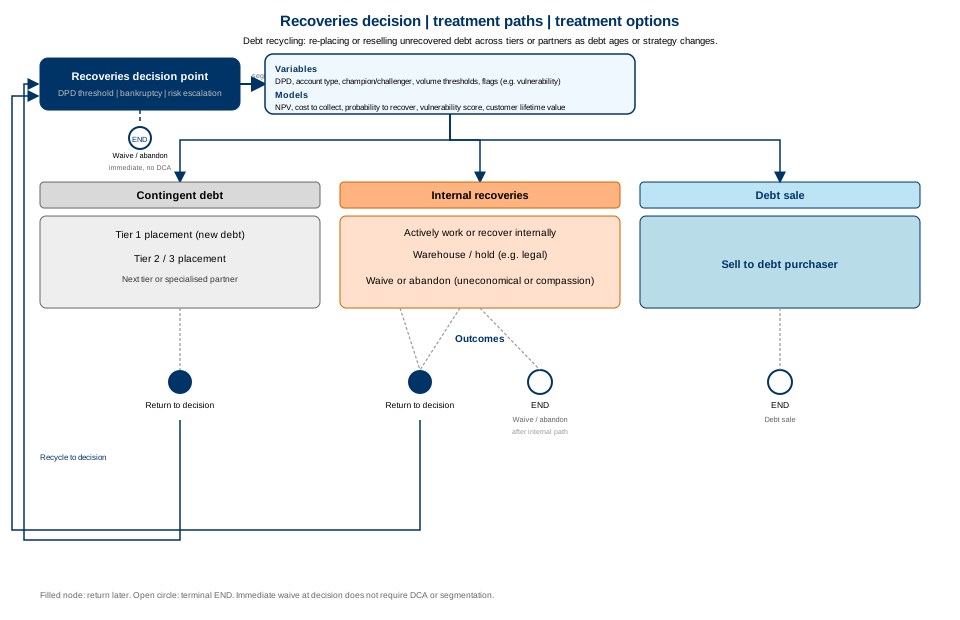
Summary. This diagram is a strategic treatment model, not a secured collateral playbook. Accounts enter a recoveries decision point (for example days past due threshold, bankruptcy, risk escalation). Some debt may end immediately with waive or abandon (no DCA, no segmentation). Otherwise variables and models support one of three treatment paths: contingent debt (tiered DCA placement), internal recoveries (active work, warehouse, waive or abandon later), or debt sale. Many options recycle to the decision; waive, abandon, and sale are terminal where shown. Written-off contingent placement is only one branch under contingent debt, not the whole map.
Scope. Contingent DCA placement can occur before write-off. See Overview for BPO vs DCA vs DLP and the write-off clarification.
Secured recoveries is separate. Enforcement on collateral, repossession, court timelines, and asset realisation follow different legal and case-management mechanics than bulk contingent allocation of unsecured written-off debt. This pack focuses primarily on contingent DCA and written-off unsecured recoveries operating models. Where secured work produces a crystallised shortfall, that residual may later enter the contingent paths described here. See Secured recoveries interaction.
Variables and models in brief
“Variables” are the data inputs your policy allows into routing: balance band, vintage, geography, hardship indicators, prior contact outcomes, and so on. “Models” may be simple rules or scorecards; the point is that the same nominal debt can route differently at different times as facts change. Poor documentation here creates audit pain when a customer asks why they were placed externally while a similar neighbour was not.
Debt recycling
Unrecovered debt may be re-placed or resold across tiers or partners as debt ages or strategy changes. Those cycles return work to the recoveries decision, not to a single static queue.
Diagram
How this relates to other modules
- Source of Record explains where balance truth sits pre and post write-off (GL vs recoveries, CP vs DCA-reported state).
- Written-off allocation zooms into the contingent path after accounting write-off (MoSCoW, R1, R2, monitoring).
- Requirements covers interfaces and data once you have placed work with a DCA.
- CP / DCA files covers system-of-record feeds on active placements.